Immigration & visa guides
What each country asks for, in plain language.

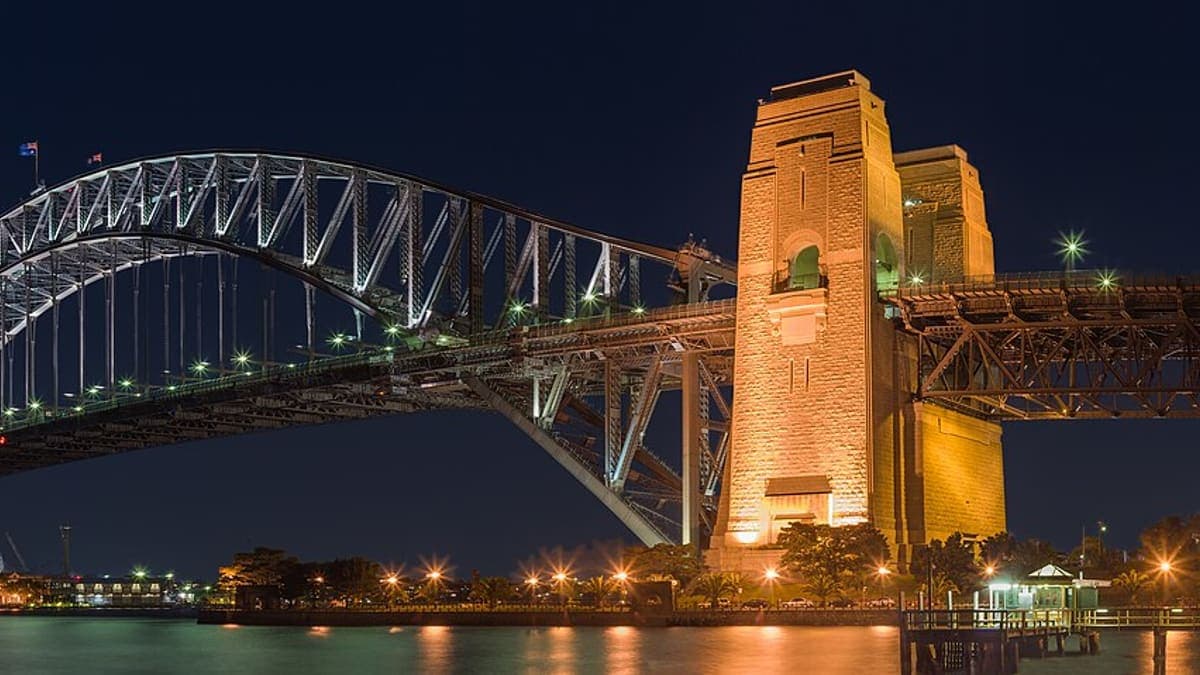
AustraliaSydney Moving to Australia: skills assessment and the points test
Australia asks two questions in order: is your occupation on the list, and does an assessing authority agree you can do it? Points come after that.
Read the guide
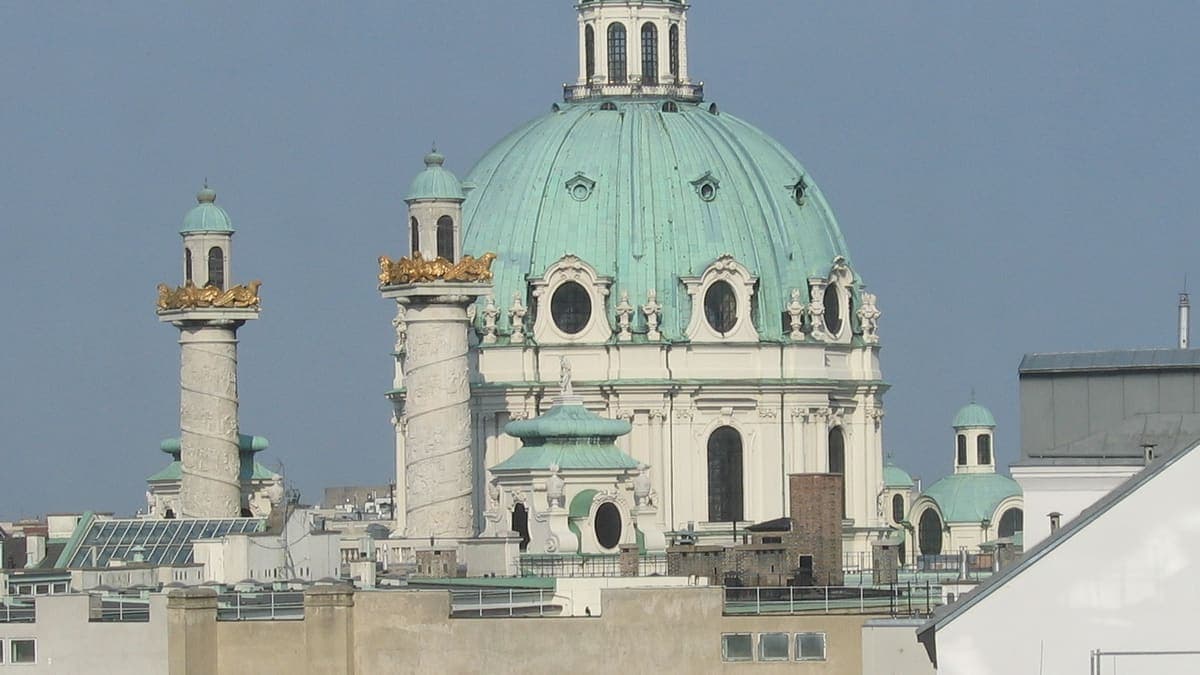
AustriaVienna Moving to Austria: the Red-White-Red Card and residency
Austria runs a transparent points system called the Red-White-Red Card. You can score yourself before applying, which makes it one of the few European routes where you know your odds in advance.
Read the guide
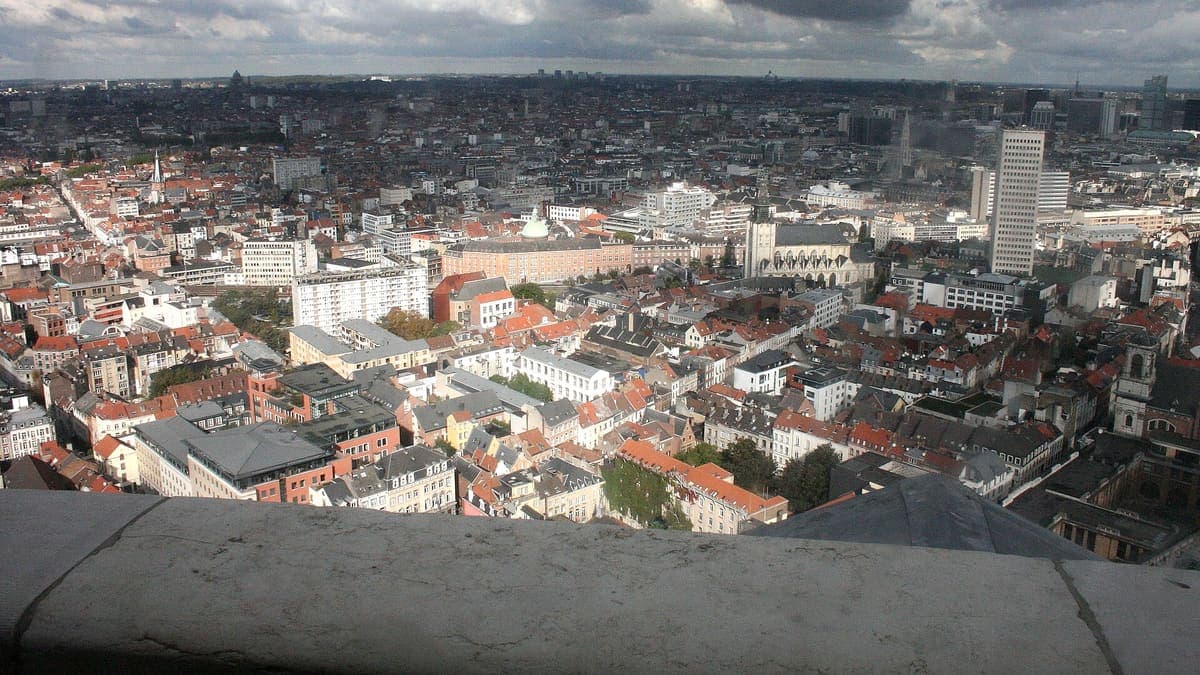
BelgiumBrussels Moving to Belgium: single permits, regions and residency
Belgium issues one combined work-and-residence permit, but the rules are set by three regions rather than the federal government — Flanders, Wallonia and Brussels each have their own salary thresholds and shortage lists.
Read the guide
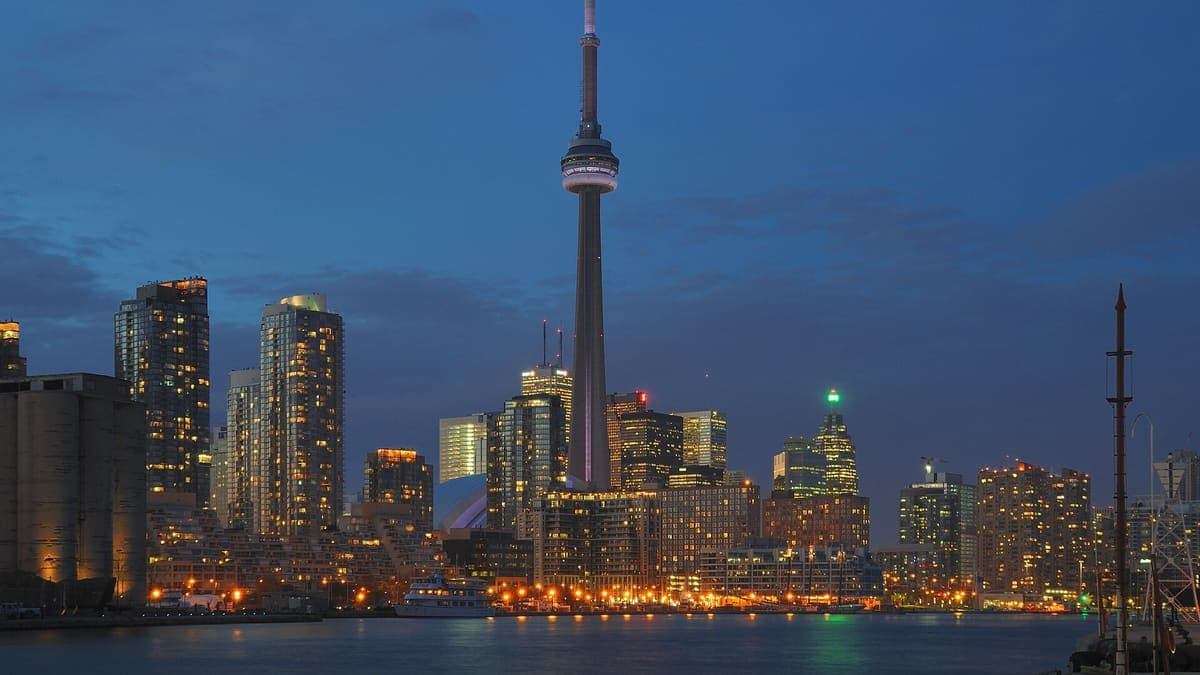
CanadaToronto Moving to Canada: Express Entry and the provincial routes
Canada scores you before it invites you. Your points come from age, education, language tests and experience — and a provincial nomination can outweigh all of them.
Read the guide
FranceParis Moving to France: visas, residency and the job market
France runs on the Passeport Talent for qualified hires and a shortage list for everyone else. The language requirement is real above entry level, and it is now part of the residency test too.
Read the guide
GermanyBerlin Moving to Germany: visa routes explained
Germany has one of the most open skilled-worker systems in Europe, but it runs on paperwork: qualification recognition first, job second, visa third.
Read the guide
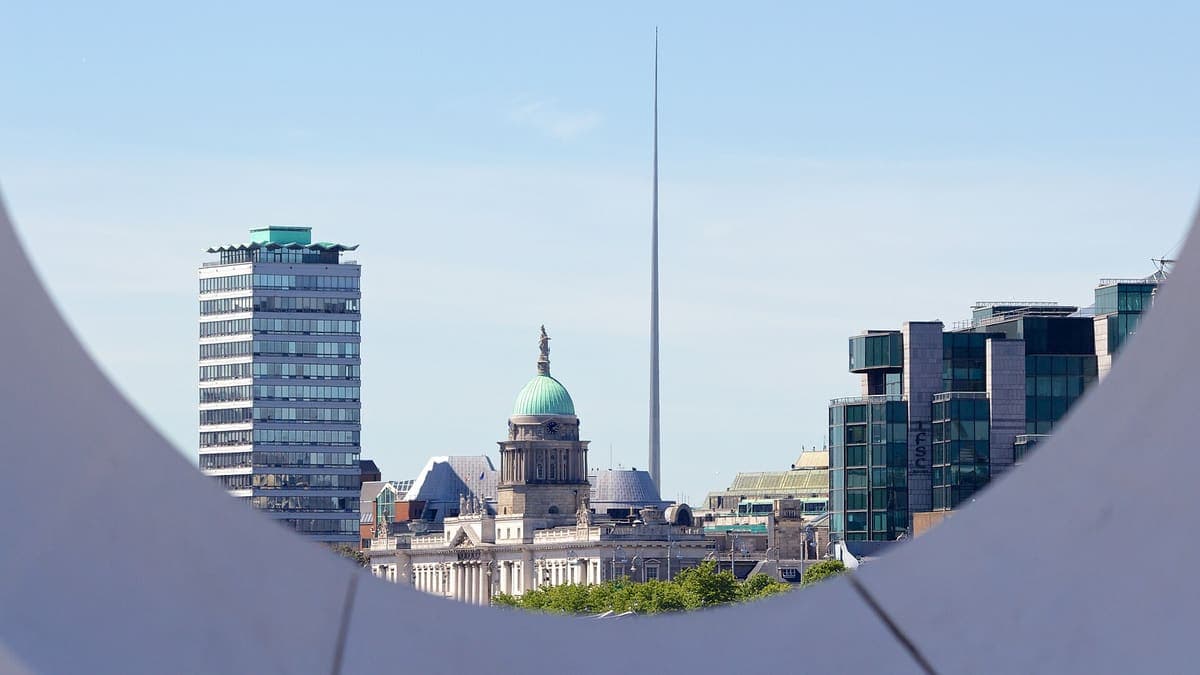
IrelandDublin Moving to Ireland: employment permits, tech and residency
Ireland is the English-speaking gateway to the EU and the European base for most large US tech firms. The permit system is straightforward; the housing market is the genuine obstacle.
Read the guide
ItalyMilan Moving to Italy: the quota system, work permits and residency
Most Italian work permits are rationed by an annual quota called the Decreto Flussi, which opens for a matter of hours. Missing that window usually means waiting a year, whatever your qualifications.
Read the guide
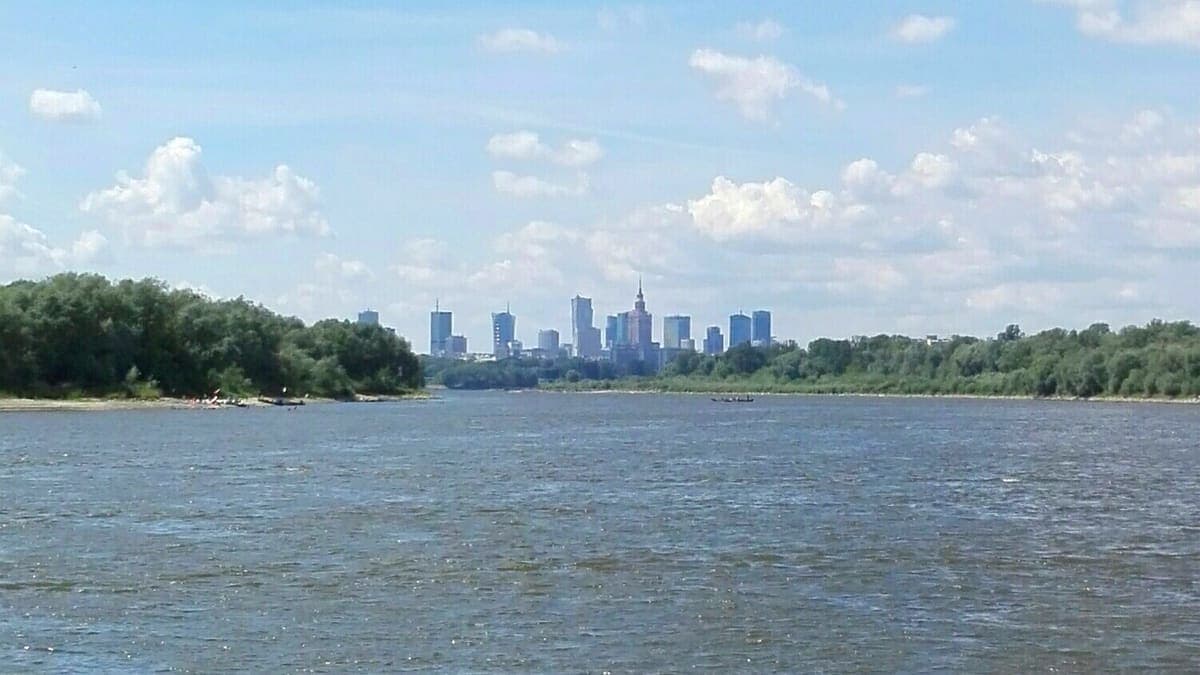
PolandWarsaw Moving to Poland: work permits, costs and residency
Poland is the most accessible entry point into the EU labour market for many non-Europeans: permits are comparatively easy, costs are low, and the tech and logistics sectors hire continuously.
Read the guide
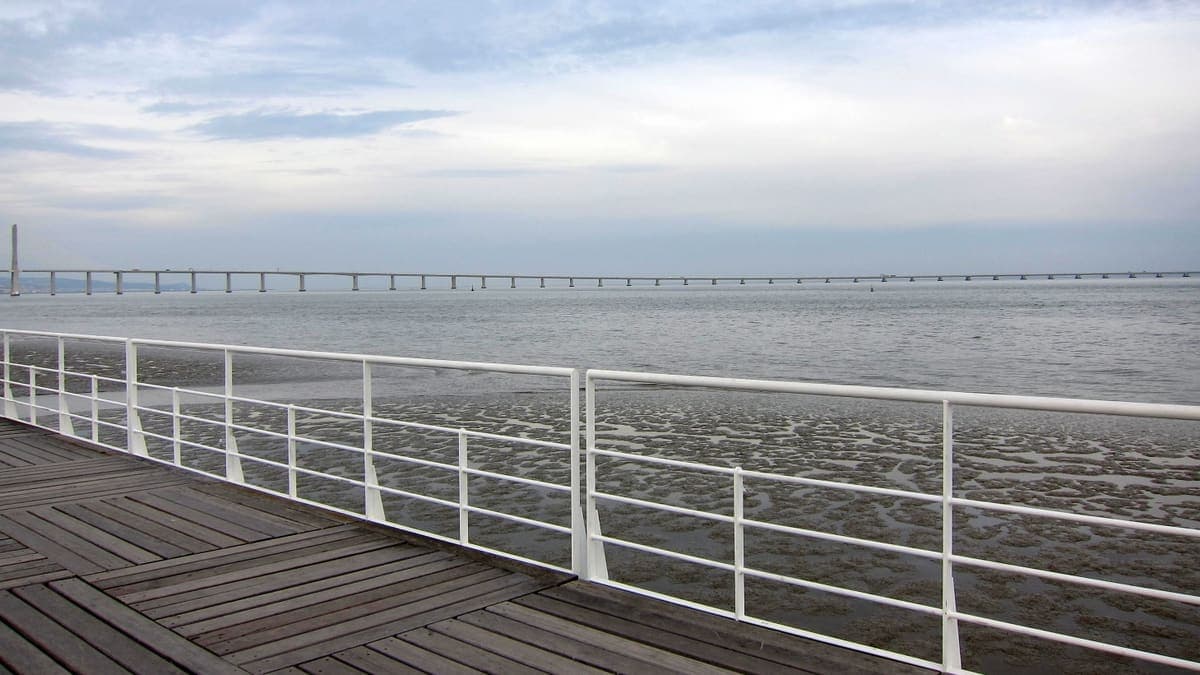
PortugalLisbon Moving to Portugal: work, job-seeker and D7 visas
Portugal is one of the few EU countries that will give you a visa to come and look for work, and one of the cheapest Western European bases once you arrive.
Read the guide
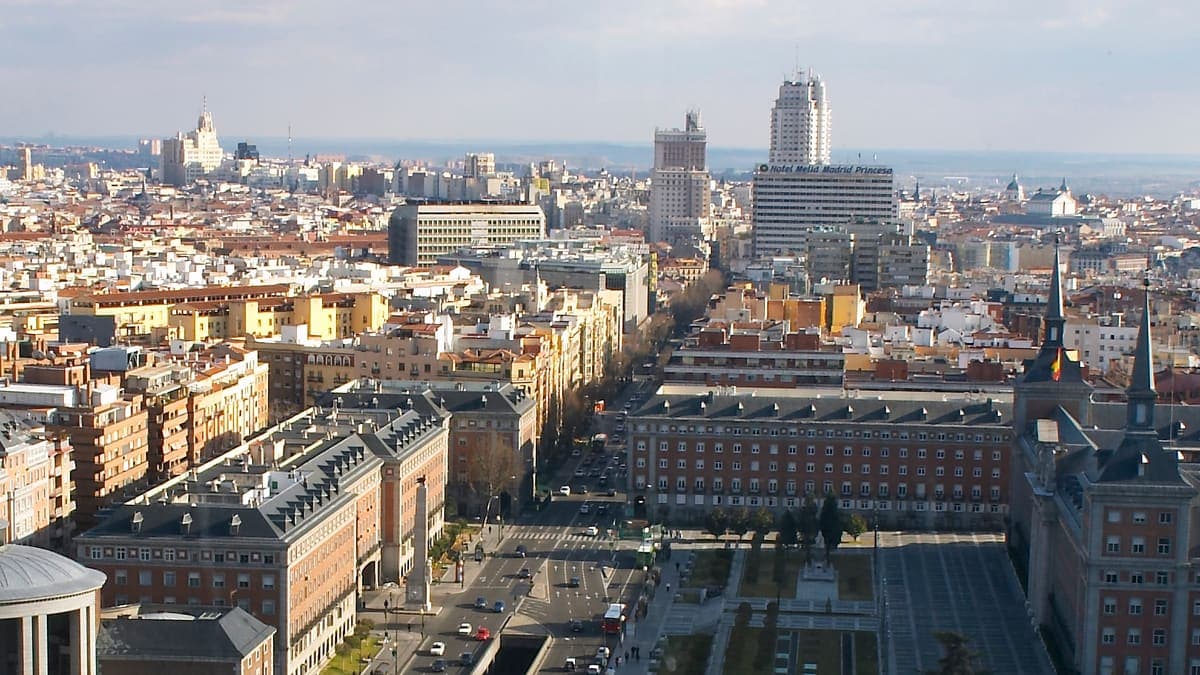
SpainMadrid Moving to Spain: work, startup law and residency
Spain's startup law created a genuinely fast route for qualified hires and remote workers, sitting alongside a slower conventional work permit and one of Europe's shortest paths to citizenship for some nationalities.
Read the guide
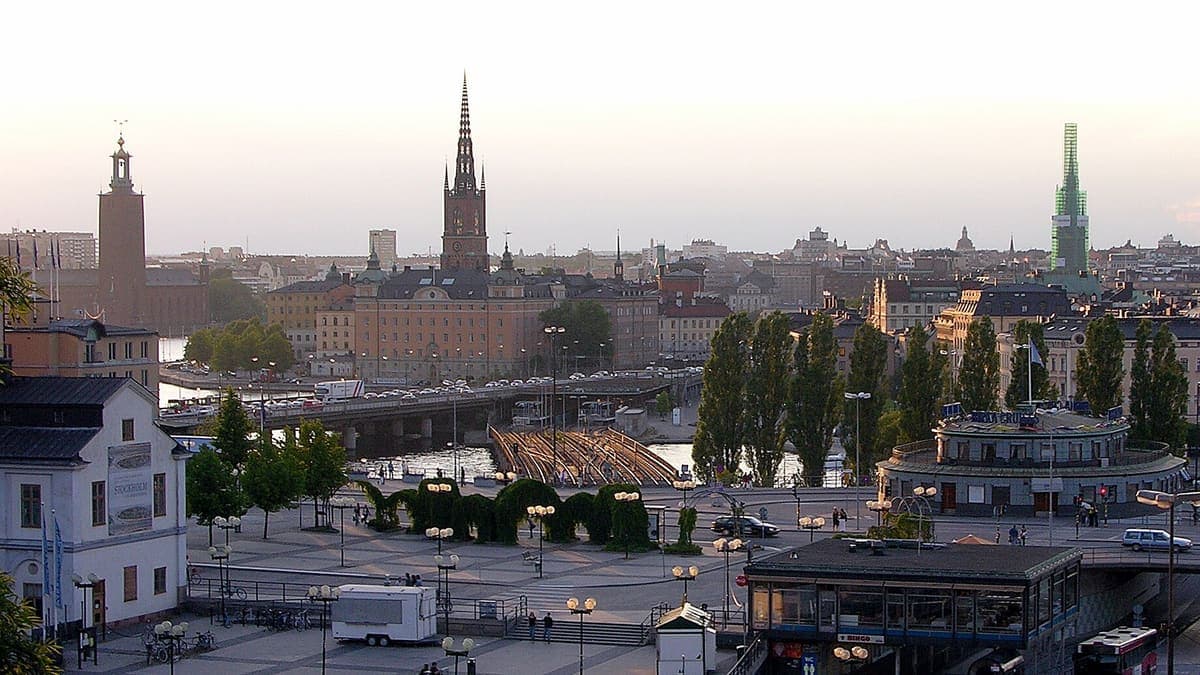
SwedenStockholm Moving to Sweden: work permits, salary floors and residency
Sweden's work permit is open to any occupation, but the salary floor has risen sharply and now excludes much of the low-wage hiring that used to drive migration here.
Read the guide
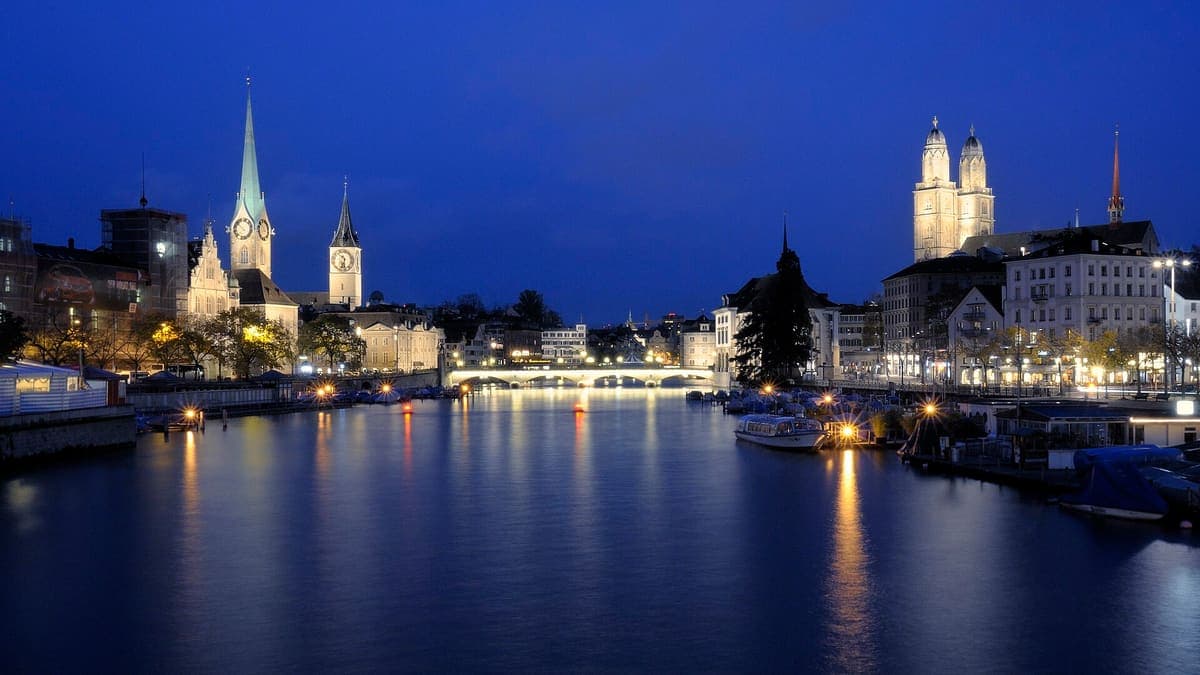
SwitzerlandZurich Moving to Switzerland: quotas, permits and the highest wages in Europe
Switzerland pays more than anywhere else in Europe and admits fewer non-EU workers than almost anywhere else. Permits are capped by federal quota and your employer must prove nobody in Switzerland or the EU could do the job.
Read the guide
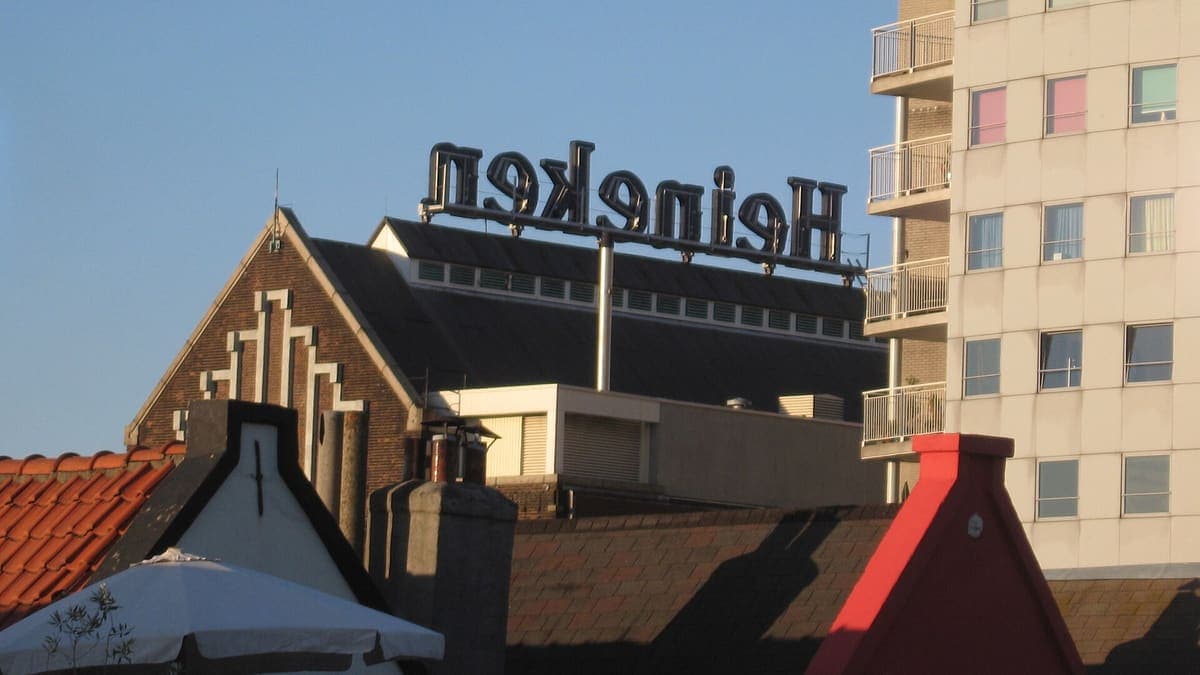
NetherlandsAmsterdam Moving to the Netherlands: the Highly Skilled Migrant route
The Dutch system is unusually simple: if your employer is a recognised sponsor and pays above the age-based salary threshold, the permit is close to automatic.
Read the guide
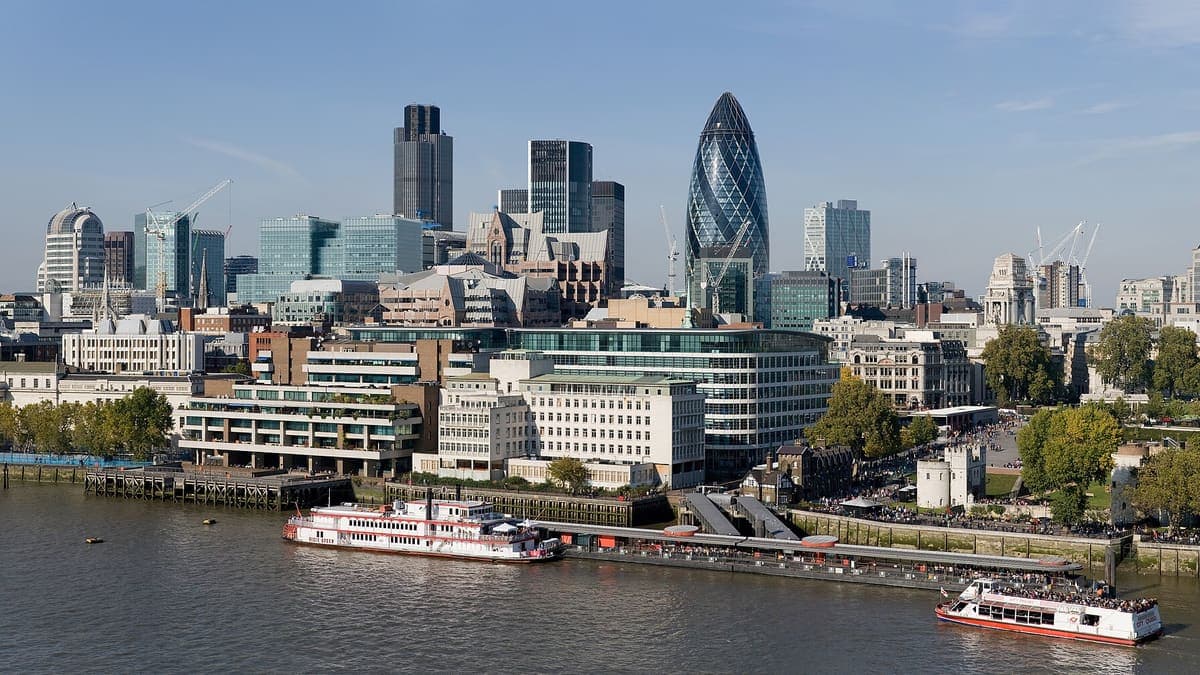
United KingdomLondon Moving to the UK: the Skilled Worker visa
The UK route is entirely sponsor-led. Without a Certificate of Sponsorship from a licensed employer there is no skilled work visa, however qualified you are.
Read the guide
United StatesNew York Moving to the United States: work visas and green cards
The US has the highest ceiling and the longest queues. Most work routes are employer-driven, annually capped, and measured in years rather than months.
Read the guide
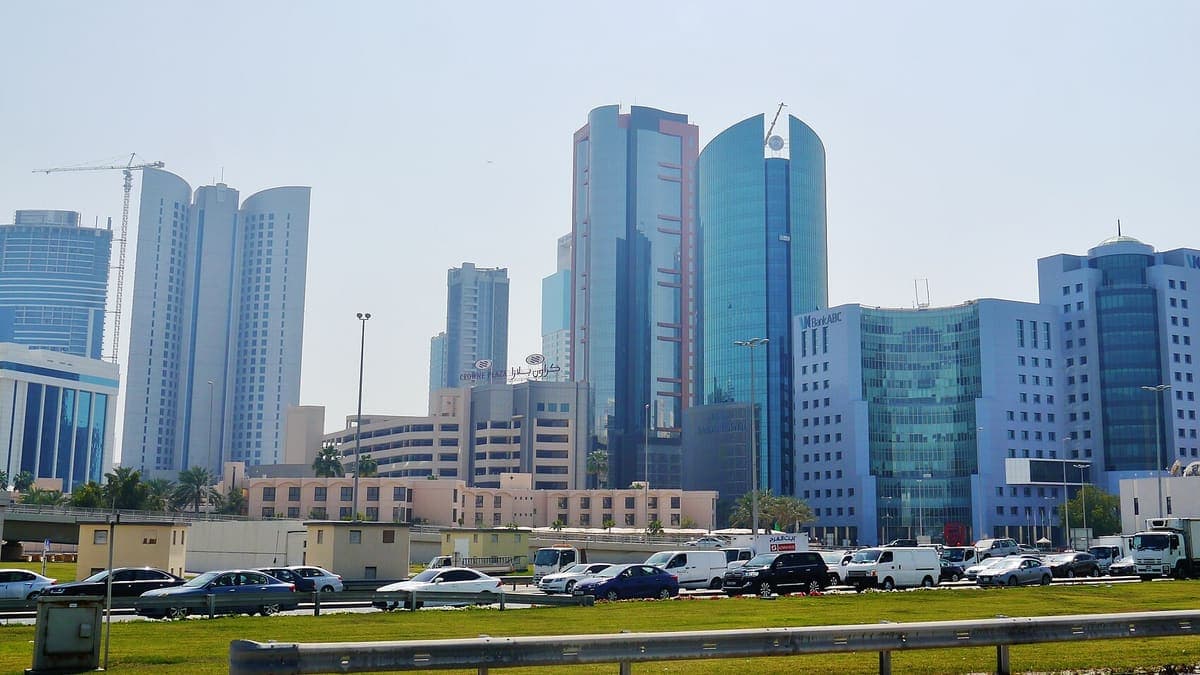
BahrainManama Working in Bahrain: flexible permits, self-sponsorship and residency
Bahrain is the only Gulf state that lets some foreign workers sponsor themselves. The Flexi Permit and Golden Residency both break the link between your job and your right to stay.
Read the guide
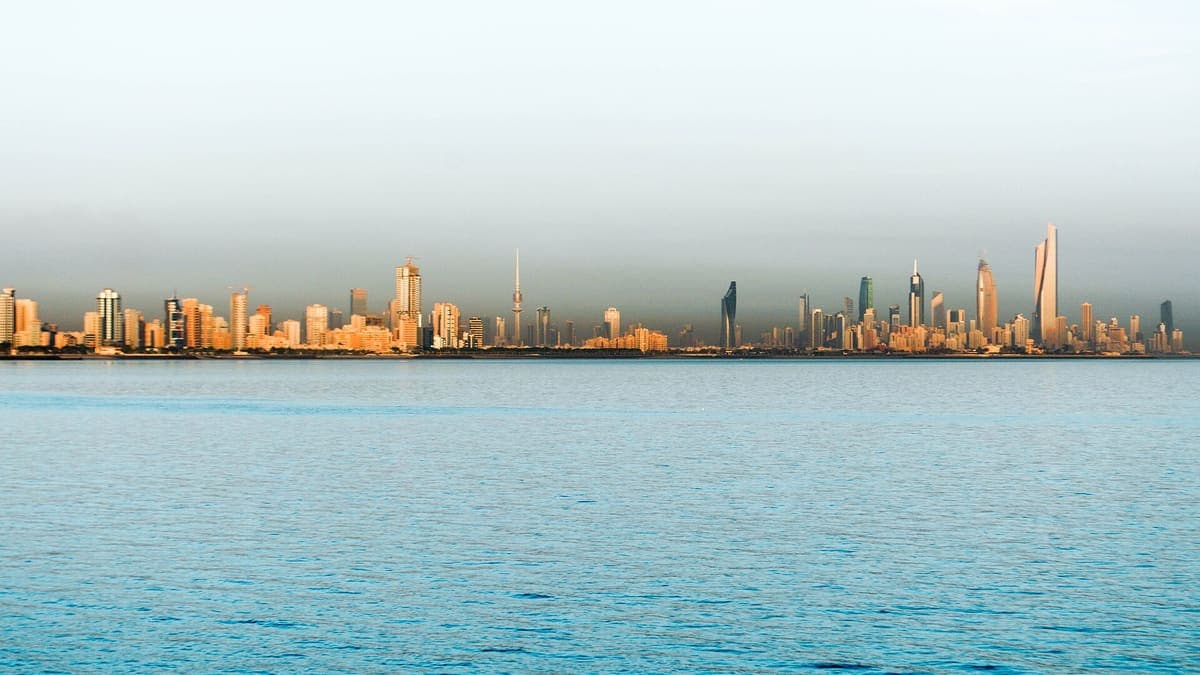
KuwaitKuwait City Working in Kuwait: work visas, sponsorship and residency
Kuwait offers tax-free salaries and low utility costs, but retains a more traditional sponsorship system than Qatar or Saudi Arabia, and has tightened rules on foreign hiring in recent years.
Read the guide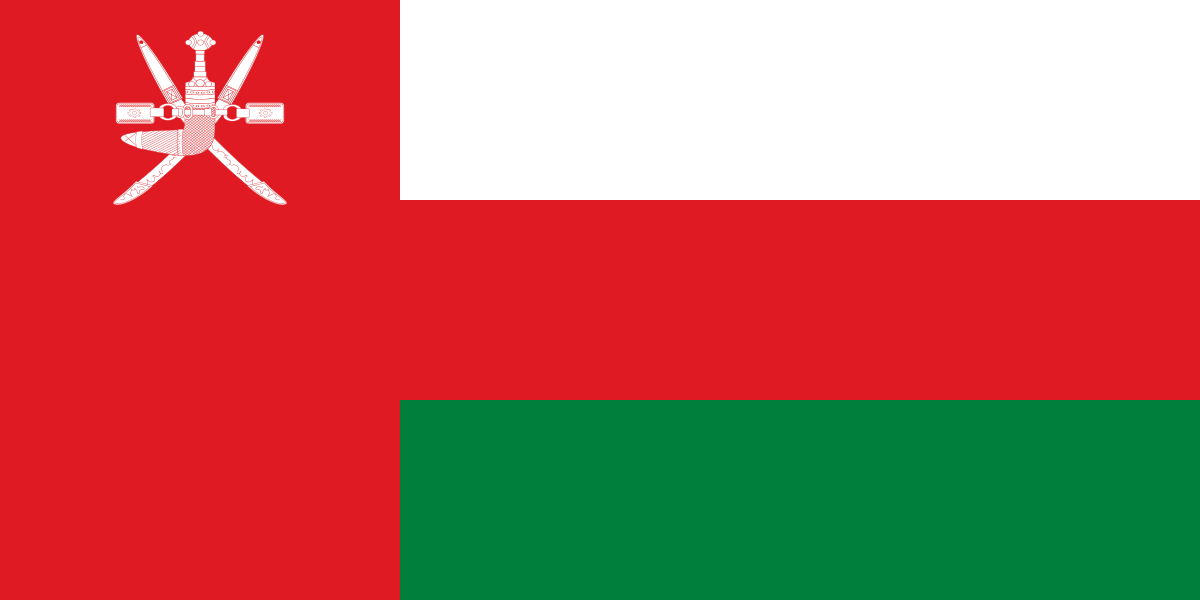
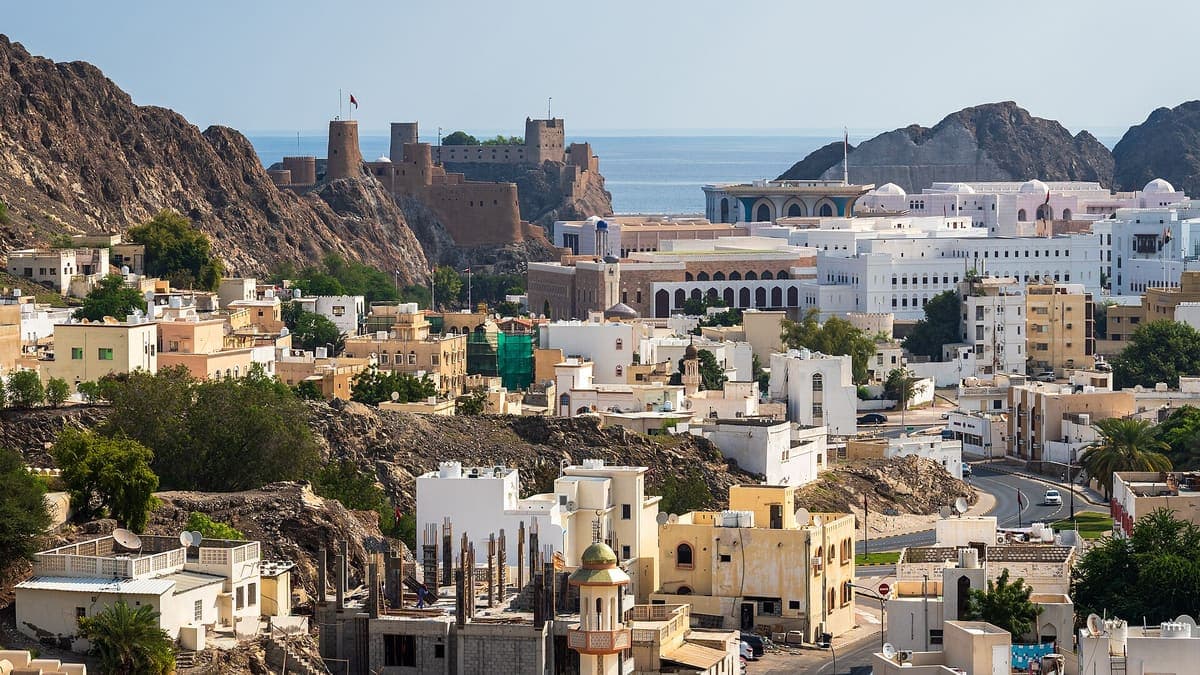
OmanMuscat Working in Oman: work visas, Investor Residency and life costs
Oman is the Gulf's quietest and cheapest option: lower salaries than its neighbours, but markedly lower living costs and a long-term residency programme that does not depend on an employer.
Read the guide
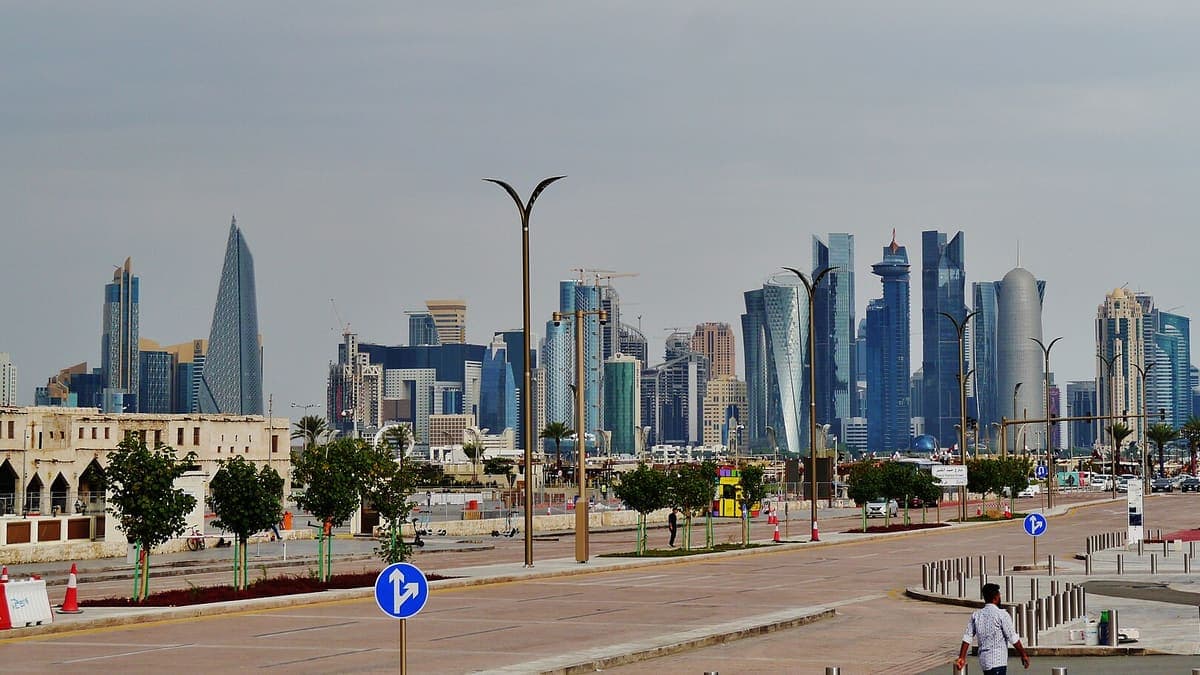
QatarDoha Working in Qatar: work visas, labour reform and residency
Qatar has gone furthest among the Gulf states in dismantling kafala: workers can change jobs without employer permission and a non-discriminatory minimum wage applies to everyone.
Read the guide
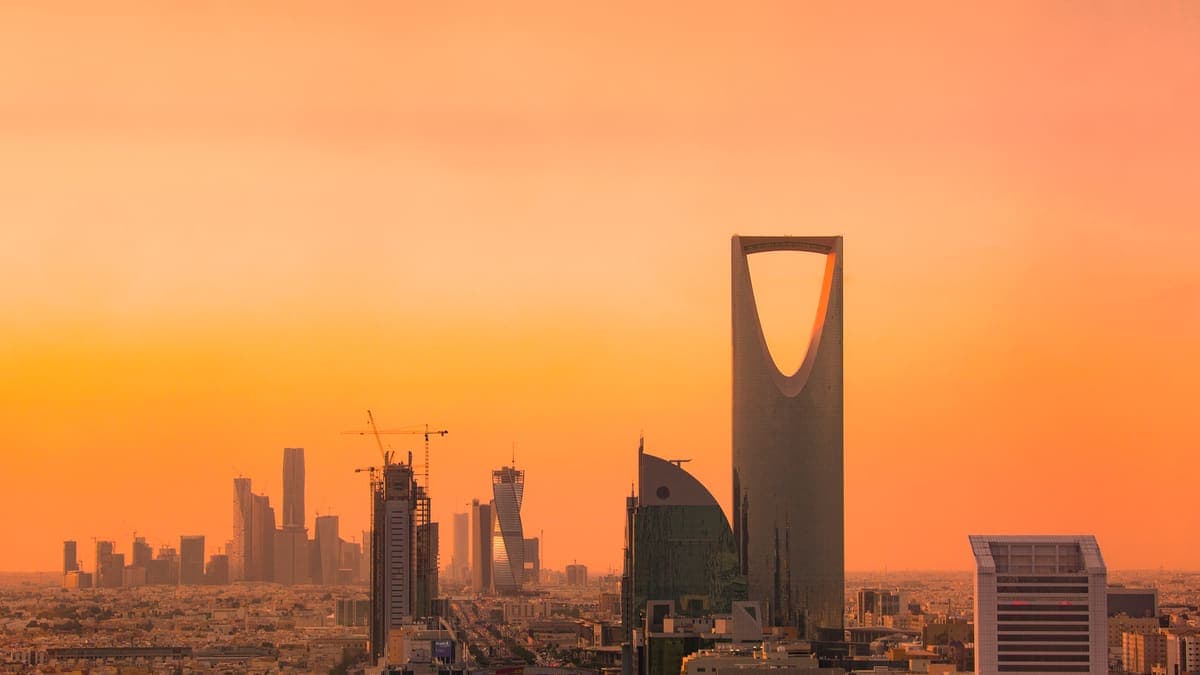
Saudi ArabiaRiyadh Working in Saudi Arabia: work visas, Premium Residency and Vision 2030
Saudi Arabia is hiring at scale for Vision 2030 projects, salaries are tax-free, and labour reforms have loosened the old sponsorship system. Residence still depends on your employer unless you buy into Premium Residency.
Read the guide
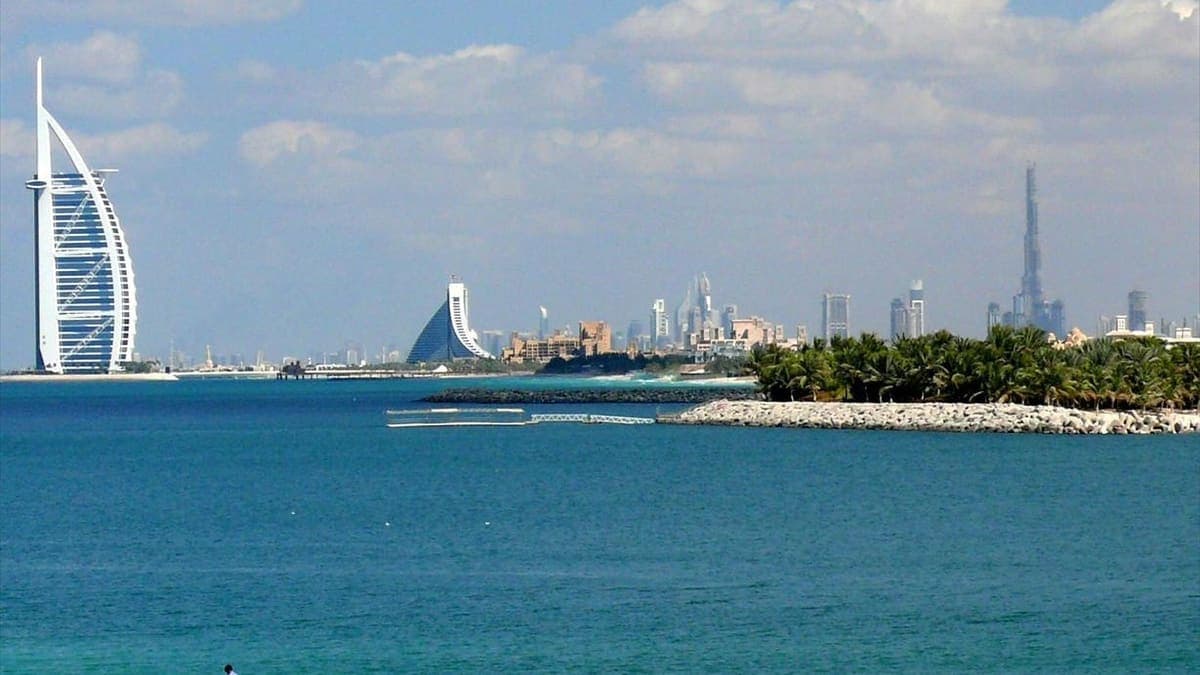
United Arab EmiratesDubai Working in the UAE: employer sponsorship and Golden Visas
Almost every UAE residence permit is tied to a sponsor — usually your employer. The process is fast, but your status is linked to the job unless you qualify for a long-term visa.
Read the guide

Updated 2026 immigration articles
Long-form analysis of the newest legal routes, with current thresholds and per-country applicant requirements.
France Talent Permit & Graduate Visa 2026
France 2026: Talent permit at EUR 39,582, EU Blue Card at EUR 59,373 and the 12-month post-study permit. Application steps for Ghana, Kenya, UAE and NZ.
August 2026
Read the articleGermany Opportunity Card & Blue Card 2026
Germany 2026: Opportunity Card points, EU Blue Card at EUR 50,700 or EUR 45,934 for shortage roles, and degree recognition steps for Ghana, Kenya, UAE, NZ.
August 2026
Read the articleItaly Work Visa 2026: Flussi & Nomad Visa
Italy 2026: Decreto Flussi quotas and click days, plus the quota-free Digital Nomad, investor and elective residence routes. Steps for Ghana, Kenya, UAE, NZ.
August 2026
Read the articleSpain Digital Nomad & Non-Lucrative Visa 2026
Spain 2026 visa routes compared: Digital Nomad at EUR 2,849/mo, Non-Lucrative at EUR 2,400/mo, arraigo after two years. Steps for Ghana, Kenya, UAE, NZ.
August 2026
Read the article


This is general information, not legal advice. Always confirm details with the official immigration authority before applying.
Photo credits
City photography from Wikimedia Commons, used under the licences listed below.
- Sydney — Diliff, CC BY-SA 3.0
- Vienna — Schmock, CC BY-SA 3.0
- Brussels — Michel wal, CC BY-SA 3.0
- Toronto — Wladyslaw (talk), CC BY-SA 3.0
- Paris — Benh LIEU SONG, CC BY-SA 4.0
- Berlin — User:Angr, CC BY-SA 2.5
- Dublin — www.Pixel.la Free Stock Photos, CC0
- Milan — Lauri Kangas from Espoo, Finland, CC BY-SA 2.0
- Warsaw — Sebacalka, CC BY-SA 4.0
- Lisbon — Bosc d'Anjou from New York, NY, USA, CC BY 2.0
- Madrid — Taken by w:es:Usuario:Barcex, CC BY-SA 3.0
- Stockholm — Alex Nordstrom, CC BY-SA 2.5
- Zurich — sdh_zh, CC BY 2.0
- Amsterdam — Gabriele Giuseppini, CC BY 3.0
- London — Diliff, CC BY-SA 3.0
- New York — Martin Dürrschnabel (Martin-D1 of de.wikipedia.org), Public domain
- Manama — Zairon, CC BY-SA 4.0
- Kuwait City — Francisco Anzola from United States, CC BY 2.0
- Muscat — Domenico Convertini, CC BY-SA 2.0
- Doha — Zairon, CC BY 4.0
- Riyadh — B.alotaby, CC BY-SA 4.0
- Dubai — Imre Solt, CC BY-SA 3.0