
Moving to Sweden: work permits, salary floors and residency
Updated August 2026
Sweden's work permit is open to any occupation, but the salary floor has risen sharply and now excludes much of the low-wage hiring that used to drive migration here.
Quick answer
This guide covers 3 main routes into Sweden for work or residence. The primary one is the Standard work permit route, with a processing time of 1–4 months; certified employers are faster. A one-bedroom in central Stockholm costs about $1,500 a month, against an average net salary of $2,900. The requirements, fees and timings below are a snapshot reviewed on August 2026 — Migrationsverket is the authority that decides.
At a glance
Rent, 1-bedroom (centre) — Stockholm
$1,500
Average net salary — Sweden
$2,900
Processing time — Standard work permit
1–4 months; certified employers are faster
There is no shortage list and no points test: if an employer offers you a job that meets the maintenance requirement and matches collective-agreement terms, you qualify. The catch is that the threshold has moved from a token amount to a substantial share of the median wage, and it is indexed — verify the current figure before relying on an offer.
Main visa routes
Standard work permit
Any occupation, provided the salary clears the maintenance threshold and the employer offers insurance and terms matching the relevant collective agreement.
EU Blue Card
Graduates on a contract of at least six months paid above the Blue Card threshold, with EU mobility rights attached.
Job seeker permit for the highly qualified
Holders of a master's degree or higher may enter for three to nine months to look for work or investigate starting a business, with proof of funds and insurance.
What you need
- Formal written job offer advertised in the EU/EEA for at least ten days
- Salary at or above the current maintenance threshold, indexed annually
- Health, life, occupational injury and pension insurance from the employer
- Union statement on the terms of employment
- Passport valid for the full permit period
- Personnummer registration with the Tax Agency after arrival
Residency & legal framework
Permanent residency
Permanent residence requires four years of work permits within the last seven, plus the ability to support yourself and, since recent reforms, a demonstrated command of Swedish and civics. The rules here have changed repeatedly — confirm the current test.
Citizenship
Five years of habitual residence for most applicants, with proposals to extend this and add language and self-sufficiency tests. Sweden permits dual nationality.
Legal rights
- Dual nationality is permitted.
- Family members receive permits of the same length with full work rights.
- You may change employer freely after the first two years.
- The personnummer is the key to banking, healthcare and housing.
Labour law essentials
- 40-hour week with 25 days of statutory paid leave.
- 480 days of shared parental leave per child, among the world's most generous.
- There is no statutory minimum wage; collective agreements set the floor.
- Union membership is high and shapes pay and conditions in most sectors.
Cost of living breakdown
Monthly averages for one person in Stockholm, in US dollars.
| Category | Per month |
|---|---|
| Rent, 1-bedroom (centre) | $1,500 |
| Rent, 1-bedroom (outside centre) | $1,150 |
| Groceries | $300 |
| Utilities | $110 |
| Health insurance | $30 |
| Public transport pass | $90 |
| Internet | $35 |
| Core monthly total | $2,065 |
Job market & qualifications
High-demand industries
- Software, gaming and telecoms — Stockholm's core export
- Healthcare, with persistent nurse and doctor shortages
- Green industry and battery manufacturing in the north
- Engineering and automotive around Gothenburg
- Construction and skilled trades
Degree recognition
UHR evaluates foreign degrees for general purposes. Regulated professions go elsewhere: Socialstyrelsen for health roles, which requires Swedish at C1 for patient-facing work plus a proficiency assessment, and Skolverket for teachers. Health recognition is the long pole and can take two years.
Average wages
Median full-time pay is roughly SEK 37,000 a month gross. Developers earn SEK 45,000–65,000, nurses SEK 33,000–45,000. Income tax runs about 30–34% at municipal level with a state surcharge on higher earnings.
Life quality: pros & cons
Housing market
Stockholm's first-hand rental queue is measured in years, so most newcomers start in expensive second-hand sublets. Employers sometimes hold housing allocations — ask before you accept an offer. Buying is common and mortgages are accessible once you have a personnummer.
Language requirements
English is genuinely sufficient at work in tech and research, and Swedes speak it at a high level. Swedish still decides access to healthcare jobs, public sector roles, permanent residence and social depth.
Integration tips
SFI (Swedish for Immigrants) is free and available to anyone with a personnummer. Register with the Tax Agency in your first week — nearly every other service depends on it, and delays there cascade into banking and healthcare.
What works
- No shortage list — any occupation can qualify for a permit.
- Exceptional parental leave, childcare and work-life balance.
- English-functional workplaces in tech and academia.
- Family members get full work rights from day one.
What to weigh
- Salary thresholds have risen sharply and keep moving.
- Stockholm housing is genuinely difficult for newcomers.
- Residency and citizenship rules have tightened repeatedly.
- Long, dark winters take a real adjustment.
Photo credits
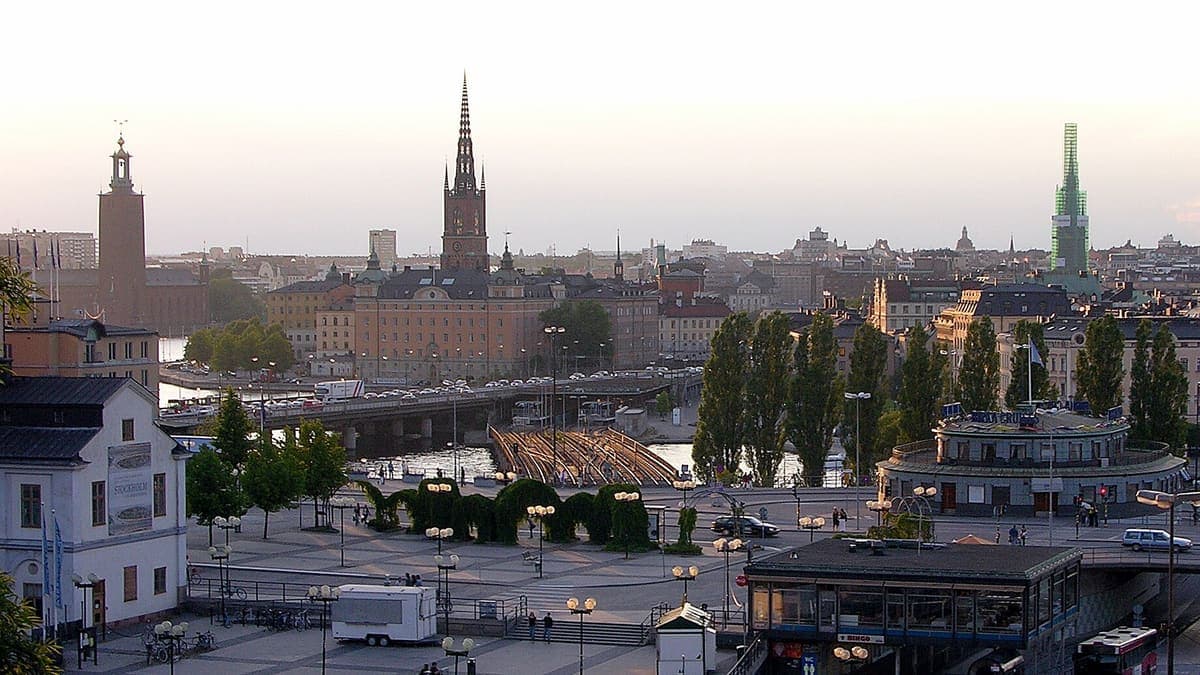
- Stockholm — Alex Nordstrom, CC BY-SA 2.5
In-demand jobs here
- Systems developer
- Nurse
Compare living costs with your country
This is general information, not legal advice. Always confirm details with the official immigration authority before applying.