
Moving to Australia: skills assessment and the points test
Updated June 2026
Australia asks two questions in order: is your occupation on the list, and does an assessing authority agree you can do it? Points come after that.
Quick answer
This guide covers 3 main routes into Australia for work or residence. The primary one is the Skilled Independent visa (subclass 189) route, with a processing time of 6–12 months. A one-bedroom in central Sydney costs about $2,200 a month, against an average net salary of $3,900. The requirements, fees and timings below are a snapshot reviewed on June 2026 — Department of Home Affairs is the authority that decides.
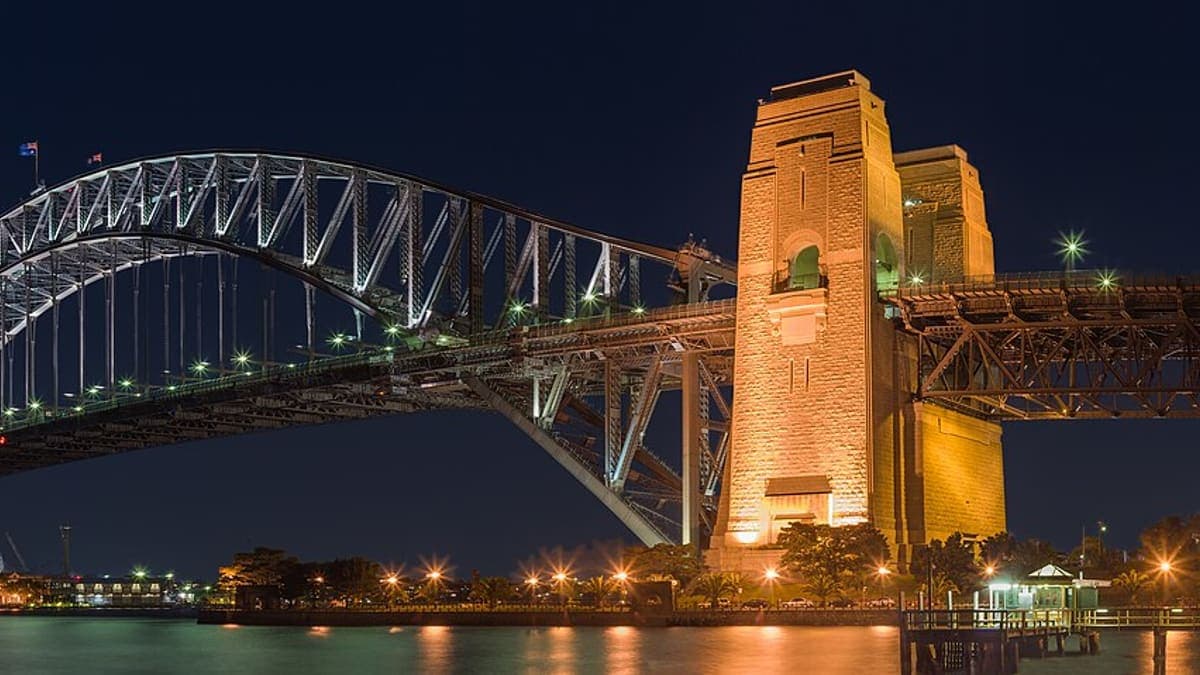
At a glance
Rent, 1-bedroom (centre) — Sydney
$2,200
Average net salary — Australia
$3,900
Processing time — Skilled Independent visa (subclass 189)
6–12 months
Every skilled visa starts with a positive skills assessment from the authority that governs your occupation — ACS for IT, Engineers Australia for engineering, AHPRA for health. Only then do you submit an Expression of Interest and wait to be invited. Regional visas carry extra points and lower thresholds.
Main visa routes
Skilled Independent visa (subclass 189)
High scorers in an occupation on the medium and long-term list, with no sponsor needed.
State nominated visa (subclass 190)
Applicants nominated by a state or territory, which adds five points and permanent residence on arrival.
Employer sponsored (subclass 482)
Workers with an approved sponsor, useful when your points score is below the invitation cut-off.
What you need
- Positive skills assessment from the relevant assessing authority
- IELTS, PTE or equivalent — usually 7 in each band for competitive scores
- Occupation listed on the current skilled occupation list
- Under 45 years old at the time of invitation
- Health examination and character (police) clearances
- Evidence of skilled work experience matching your nominated occupation
Residency & legal framework
Permanent residency
Subclasses 189 and 190 grant permanent residence on arrival. Employer-sponsored 482 holders transition to PR after two to three years through the employer nomination scheme. PR carries a five-year travel facility that must be renewed to re-enter.
Citizenship
Four years of lawful residence including twelve months as a permanent resident, plus a citizenship test on values and history. Australia permits dual nationality.
Legal rights
- Dual nationality is permitted.
- Permanent residents access Medicare and most government services.
- Partners are included in the same application with full work rights.
- Regional visas trade location restrictions for extra points and faster PR.
Labour law essentials
- 38-hour standard week with four weeks of paid annual leave.
- One of the world's highest minimum wages, reviewed annually.
- Superannuation contributions are paid by the employer on top of salary.
- Awards set minimum pay and conditions industry by industry.
Cost of living breakdown
Monthly averages for one person in Sydney, in US dollars.
| Category | Per month |
|---|---|
| Rent, 1-bedroom (centre) | $2,200 |
| Rent, 1-bedroom (outside centre) | $1,600 |
| Groceries | $400 |
| Utilities | $180 |
| Health insurance | $120 |
| Public transport pass | $130 |
| Internet | $55 |
| Core monthly total | $3,085 |
Job market & qualifications
High-demand industries
- Healthcare and social assistance, the largest employer nationally
- Construction and skilled trades
- Mining, resources and energy
- Technology, especially cloud, cybersecurity and data
- Education and agriculture, both with regional shortages
Degree recognition
A skills assessment from the authority governing your occupation is the mandatory first step — ACS for IT, Engineers Australia for engineering, AHPRA for health, TRA for trades. It precedes the points test, and a negative assessment ends the application before it starts.
Average wages
Median full-time pay is around AUD 90,000 a year. Cloud engineers earn AUD 110,000–160,000, registered nurses AUD 75,000–105,000, carpenters AUD 70,000–95,000. Superannuation adds over 11% on top of the headline figure.
Life quality: pros & cons
Housing market
Sydney and Melbourne rank among the world's least affordable housing markets. Brisbane, Adelaide, Perth and regional centres are substantially cheaper, and regional visas actively reward moving there.
Language requirements
English is the working language, and the points test rewards high scores heavily — IELTS 8 across all bands adds twenty points, which frequently decides whether you are invited at all.
Integration tips
Apply for a Tax File Number and enrol in Medicare as soon as you land. Permanent residents wait two years for most welfare payments. Distance is real: domestic flights between major cities take hours.
What works
- Permanent residence on arrival through the points-tested streams.
- Very high minimum wage and strong workplace conditions.
- Citizenship in four years with dual nationality permitted.
- Medicare covers permanent residents from arrival.
What to weigh
- Skills assessment plus visa fees run to several thousand dollars.
- Sydney and Melbourne housing costs are extreme.
- Points cut-offs move, so a qualifying score is not a guaranteed invitation.
- Geographic isolation makes visiting family expensive.
Photo credits
- Sydney — Diliff, CC BY-SA 3.0
In-demand jobs here
- Registered nurse
- Carpenter
- Cloud engineer
Compare living costs with your country
This is general information, not legal advice. Always confirm details with the official immigration authority before applying.