
Moving to Portugal: work, job-seeker and D7 visas
Updated June 2026
Portugal is one of the few EU countries that will give you a visa to come and look for work, and one of the cheapest Western European bases once you arrive.
Quick answer
This guide covers 3 main routes into Portugal for work or residence. The primary one is the Job-seeker visa route, with a processing time of 60–90 days. A one-bedroom in central Lisbon costs about $1,250 a month, against an average net salary of $1,250. The requirements, fees and timings below are a snapshot reviewed on June 2026 — AIMA / Portuguese Ministry of Foreign Affairs is the authority that decides.
At a glance
Rent, 1-bedroom (centre) — Lisbon
$1,250
Average net salary — Portugal
$1,250
Processing time — Job-seeker visa
60–90 days
Residence runs in two stages: a national visa from the consulate, then a residence permit issued by AIMA after you arrive. Book consulate appointments early — availability, not eligibility, is usually the delay. Five years of legal residence opens the door to citizenship.
Main visa routes
Job-seeker visa
Applicants who want up to 120 days in Portugal to find work, extendable by 60 days.
D3 work visa
Holders of a Portuguese employment contract, including seasonal and hospitality roles.
D7 passive income visa
Retirees and remote earners with stable income at least at the Portuguese minimum wage.
What you need
- Portuguese tax number (NIF), obtainable before you move
- Portuguese bank account with proof of funds
- Twelve months of travel or health insurance
- Proof of accommodation — rental contract or hosting declaration
- Criminal record certificate, apostilled and translated
- Consulate appointment booked through VFS or the embassy portal
Residency & legal framework
Permanent residency
Permanent residence follows five years of legal residence with A2 Portuguese. Time on a job-seeker, work or D7 visa all counts, and the years accumulate from the date you first applied rather than when the card was issued.
Citizenship
Five years of legal residence and A2 Portuguese — one of the shortest and most accessible routes in the European Union. Portugal permits dual nationality, and there is a separate route for descendants of Sephardic Jews.
Legal rights
- Dual nationality is permitted without restriction.
- Five years to citizenship makes Portugal one of the fastest EU passports.
- Family reunion is available soon after you obtain a residence permit.
- Residence permits allow free movement within the Schengen area.
Labour law essentials
- 40-hour week with 22 days of paid leave and 13 public holidays.
- Fourteen salary payments a year, including holiday and Christmas subsidies.
- The minimum wage rises annually and covers a large share of the workforce.
- Social security contributions give access to public healthcare (SNS).
Cost of living breakdown
Monthly averages for one person in Lisbon, in US dollars.
| Category | Per month |
|---|---|
| Rent, 1-bedroom (centre) | $1,250 |
| Rent, 1-bedroom (outside centre) | $900 |
| Groceries | $250 |
| Utilities | $120 |
| Health insurance | $60 |
| Public transport pass | $45 |
| Internet | $35 |
| Core monthly total | $1,760 |
Job market & qualifications
High-demand industries
- Technology and shared services in Lisbon and Porto
- Tourism and hospitality, heavily seasonal in the Algarve
- Elderly and home care in an ageing population
- Construction and civil works
- Agriculture and food production
Degree recognition
DGES handles degree recognition, offering either a quick automatic equivalence or a fuller recognition process. Regulated professions go through their ordem — nurses, doctors, engineers and lawyers each have one. Costs are modest compared with most of Europe.
Average wages
The minimum wage is roughly €870 a month across fourteen payments and the median is not far above it. Developers earn €28,000–48,000 a year — well below northern Europe, though international employers in Lisbon pay above the local market.
Life quality: pros & cons
Housing market
Lisbon and Porto rents have risen sharply, driven by tourism and foreign demand, and are now high relative to local wages. Coimbra, Braga and inland towns remain genuinely affordable.
Language requirements
English is widely spoken in cities and in the tech sector. Portuguese is needed for administration, healthcare and most local employment, and A2 is required for both permanent residence and citizenship.
Integration tips
Get a NIF tax number early — it is needed for a lease, a bank account and a phone contract. Register with your local health centre for an SNS number. AIMA appointment availability, not eligibility, is usually what delays people.
What works
- Five years to an EU passport, among the shortest routes available.
- A job-seeker visa lets you look for work from inside the country.
- Low cost of living outside Lisbon, with a mild climate.
- Only A2 Portuguese is required for citizenship.
What to weigh
- Wages are among the lowest in western Europe.
- Lisbon rents have outpaced local salaries badly.
- AIMA appointment backlogs cause long, unpredictable delays.
- The professional job market is thin outside tech and tourism.
Photo credits
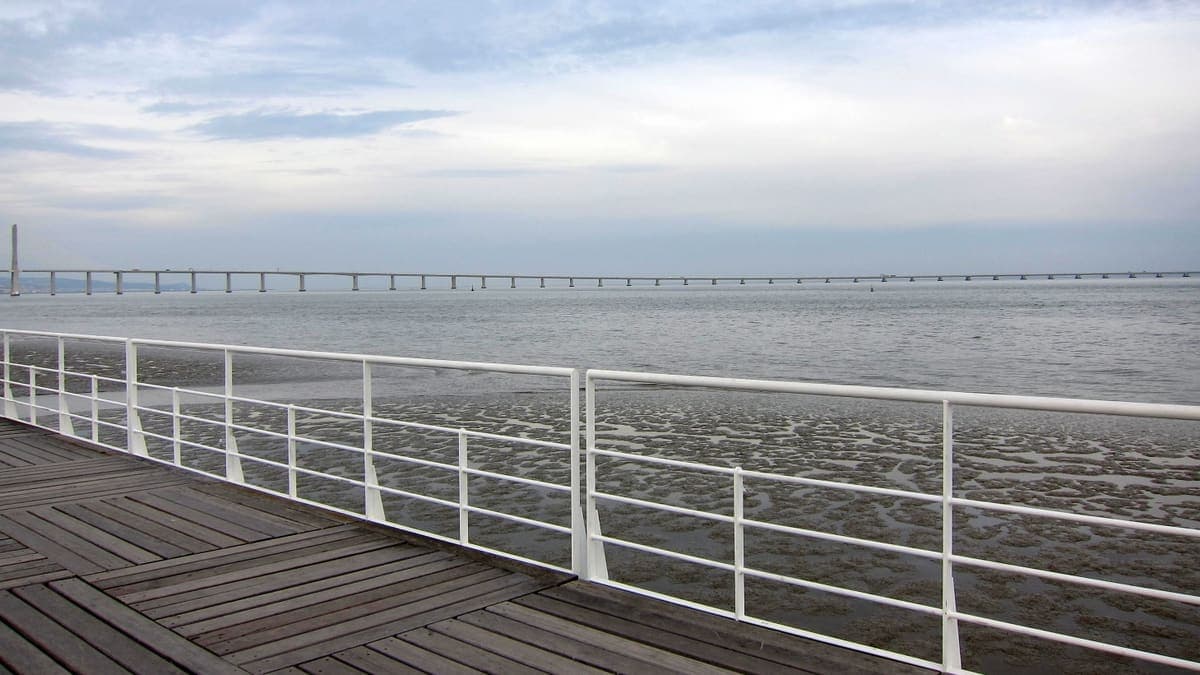
- Lisbon — Bosc d'Anjou from New York, NY, USA, CC BY 2.0
In-demand jobs here
- Frontend developer
- Restaurant server
Compare living costs with your country
Moving to Portugal: cost comparisons
How the cost of living in Portugal compares with the countries people most often move from.

Other guides in Southern Europe
Compare visa routes and living costs across the region.


This is general information, not legal advice. Always confirm details with the official immigration authority before applying.