
Moving to Poland: work permits, costs and residency
Updated August 2026
Poland is the most accessible entry point into the EU labour market for many non-Europeans: permits are comparatively easy, costs are low, and the tech and logistics sectors hire continuously.
Quick answer
This guide covers 3 main routes into Poland for work or residence. The primary one is the Type A work permit route, with a processing time of 1–3 months for the permit, plus visa time. A one-bedroom in central Warsaw costs about $900 a month, against an average net salary of $1,500. The requirements, fees and timings below are a snapshot reviewed on August 2026 — Office for Foreigners (UdSC) is the authority that decides.
At a glance
Rent, 1-bedroom (centre) — Warsaw
$900
Average net salary — Poland
$1,500
Processing time — Type A work permit
1–3 months for the permit, plus visa time
Most people arrive on an employer-obtained work permit and a national D visa, then apply for a temporary residence card once in the country. Processing at the voivodeship offices is the slow step and varies enormously by region — Warsaw and Kraków are the most congested.
Main visa routes
Type A work permit
The standard route: your employer applies on your behalf for a specific role, then you apply for a D visa at the consulate. Valid up to three years and renewable.
EU Blue Card
Graduates earning at least 150% of the average national salary. Faster to permanent residence than the standard permit and carries EU mobility.
Poland Business Harbour / IT route
A fast-tracked programme for IT specialists, founders and startups from selected countries, with simplified visa handling and relocation support.
What you need
- Employer-obtained work permit specifying role, pay and location
- National D visa from the Polish consulate in your country
- PESEL number and residence registration (zameldowanie)
- ZUS social insurance registration through your employer
- Temporary residence card application at the voivodeship office
- Legalised qualifications for regulated professions
Residency & legal framework
Permanent residency
Long-term EU residence follows five years of continuous legal stay with stable income and Polish at B1. Blue Card holders may count time in other EU countries toward the five years.
Citizenship
Three years of permanent residence — so typically eight years in total — plus Polish at B1 by official certificate. Poland permits dual nationality, and descent-based claims are open to a large diaspora.
Legal rights
- Dual nationality is permitted.
- The Karta Polaka gives people of Polish descent an accelerated route.
- Changing employer requires a new or amended work permit.
- Family reunion is available once you hold a residence card.
Labour law essentials
- 40-hour week with 20–26 days of paid leave depending on seniority.
- The minimum wage has risen fast and is revised at least annually.
- Civil-law contracts (umowa zlecenie) carry fewer protections than employment contracts.
- Public healthcare access comes through NFZ contributions via ZUS.
Cost of living breakdown
Monthly averages for one person in Warsaw, in US dollars.
| Category | Per month |
|---|---|
| Rent, 1-bedroom (centre) | $900 |
| Rent, 1-bedroom (outside centre) | $700 |
| Groceries | $230 |
| Utilities | $200 |
| Health insurance | $110 |
| Public transport pass | $30 |
| Internet | $15 |
| Core monthly total | $1,485 |
Job market & qualifications
High-demand industries
- IT services and software outsourcing — the largest skilled sector
- Shared services and finance centres for multinationals
- Logistics and road transport across the EU
- Manufacturing, appliances and automotive components
- Construction and skilled trades
Degree recognition
NAWA handles degree recognition, and for many jobs a simple nostrification is enough. Regulated professions — medicine, nursing, law — require chamber approval and Polish language examinations. IT roles typically need no formal recognition at all.
Average wages
The average gross salary is roughly PLN 8,000 a month. Developers earn PLN 12,000–25,000, often on B2B contracts that carry a flat tax rate and are the norm in Polish tech. Wages are well below western Europe but so are costs.
Life quality: pros & cons
Housing market
Rents in Warsaw and Kraków have risen substantially but remain far below western Europe. Wrocław, Poznań and Gdańsk offer similar job markets at lower cost. Deposits are usually one month.
Language requirements
English is standard in IT and shared services. Polish is difficult but necessary for administration, healthcare and any customer-facing role, and B1 is a hard requirement for citizenship.
Integration tips
Get your PESEL number early — it unlocks banking, healthcare and online government services. Voivodeship residence-card queues can run many months, so apply the moment you are eligible and keep the stamped confirmation, which legalises your stay while you wait.
What works
- One of the easiest EU labour markets for non-Europeans to enter.
- Low cost of living relative to IT and shared-services salaries.
- Central location with easy travel across the EU.
- Dual nationality permitted, and descent claims are open.
What to weigh
- Voivodeship residence-card processing is notoriously slow.
- Polish is a hard language and a hard citizenship requirement.
- Salaries remain well below western European levels.
- Public healthcare waiting times push many toward private cover.
Photo credits
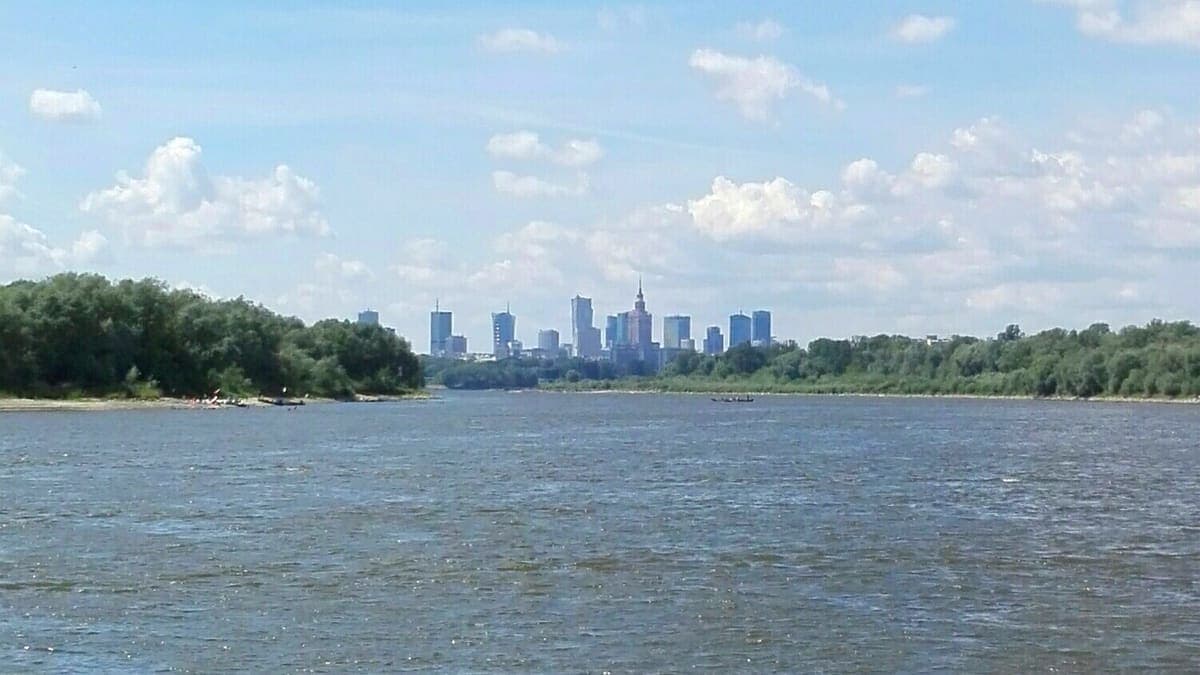
- Warsaw — Sebacalka, CC BY-SA 4.0
In-demand jobs here
- Software developer
- HGV driver
Compare living costs with your country
Other guides in Central Europe
Compare visa routes and living costs across the region.

This is general information, not legal advice. Always confirm details with the official immigration authority before applying.